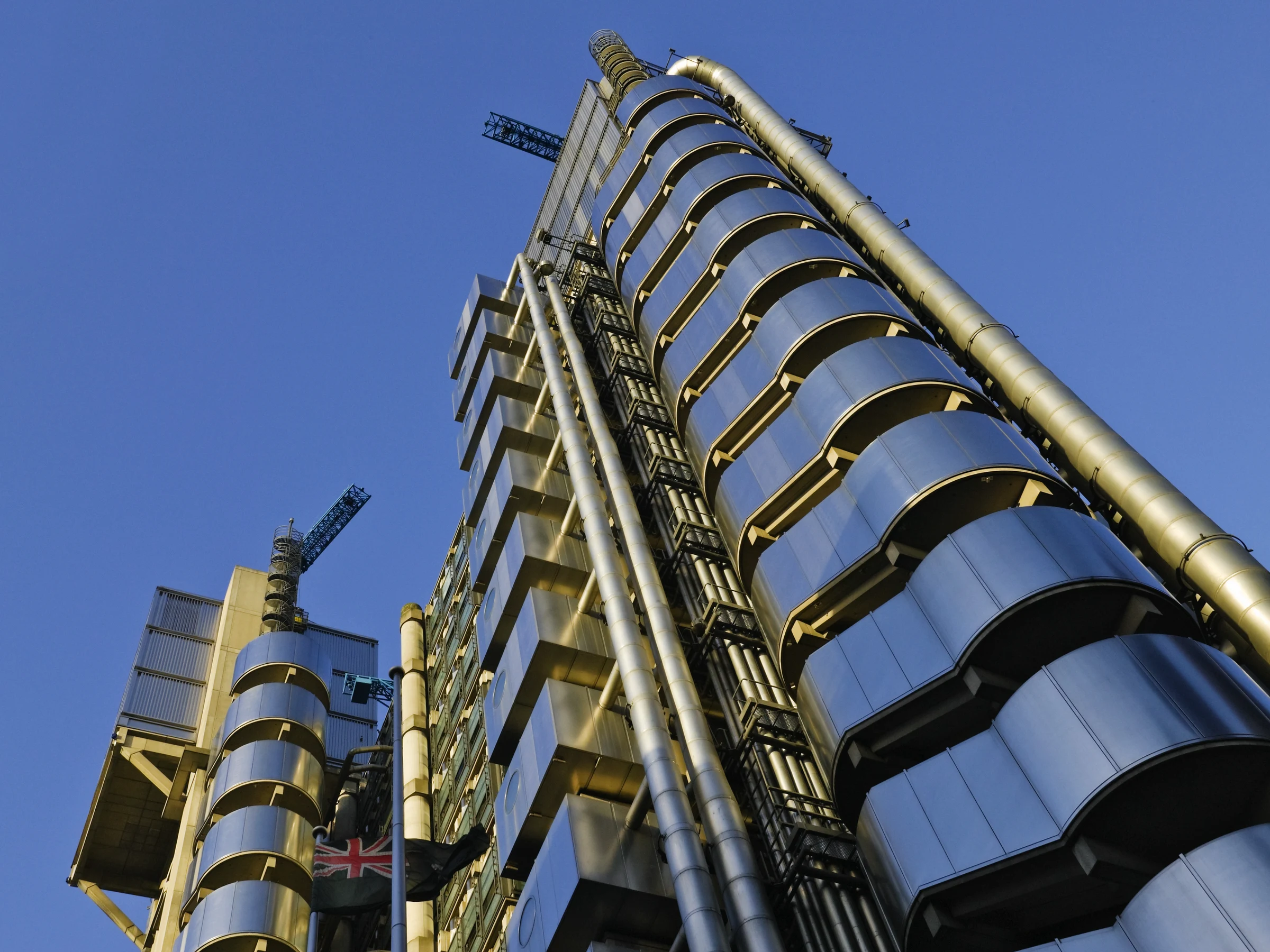
VAYUH AT LLOYD'S · LONDON
The science behindconfident SCS decisions.
Learn how experts are solving the hardest problems in hail, tornado and straight-line wind modelling, and how to apply those advances to your underwriting and risk decisions. Registration and the waiting list are now closed.
- Date & Time
- 14:30–17:30 GMT
- Venue
- Lloyd's, LondonThe Hopper, Lloyd's Lab · In person
Trusted by





U.S. National Science FoundationNSF SBIR Phase I & II
THE AFTERNOON
Advancing the science of severe storm risk.
How do you turn an incomplete picture of severe convective storms into a view of risk you can use? For teams working with hail, tornado and straight-line wind risk, gaps in observations, competing event definitions and differing model assumptions make that a practical challenge.
Join Vāyuh and speakers from Ariel Re, KatRisk, Lloyd’s, Hiscox, MaxInfo and Oasis at Lloyd’s. The afternoon combines lightning talks and interactive discussions, under the Chatham House Rule.
Bring the questions you face in your own work. Explore the science of SCS events, then how to put new views of risk into practice. Discuss ideas in small groups, add anonymous questions to Slido, and help shape the next steps: pilots, scoring runs and an SCS model-adjustment working group.
WHO SHOULD ATTEND
- Underwriters
- Cat modellers
- Risk and exposure managers
- Claims managers
SPEAKERS
Meet the speakers.
AGENDA
How the afternoon runs.
Lightning talks and interactive discussions, with time to explore the ideas with speakers and peers.
All times GMT · Chatham House Rule
14:15
Arrival
Coffee in the room next door.
14:30
Welcome
Dr Mayur Mudigonda · Founder & CEO, Vāyuh
The SCS problems the market is working on, the solutions on show this afternoon, and how the afternoon will run.
14:38
Around the room
Everyone gets one sentence: the SCS problem that costs you the most time or confidence.
14:50
Session 1: The science of SCS events
Why aren’t today’s models enough for SCS?
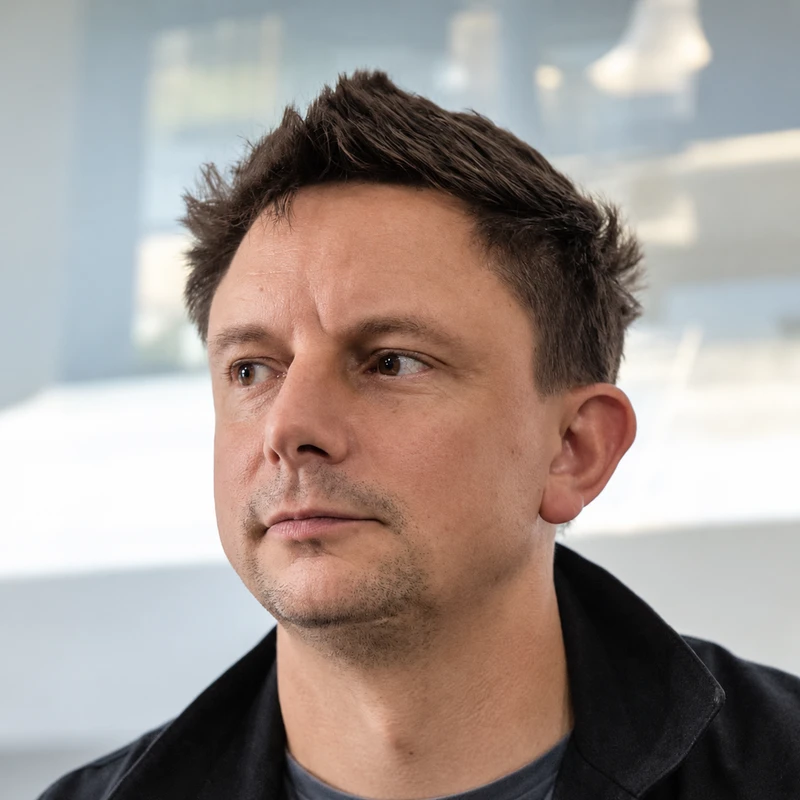
Dave VicaryInternational Product Lead, KatRisk
An SCS scientist who has led a storm-chasing tour every summer for a decade on what the established vendor models capture, what they miss, and which ideas from hurricane modelling do and don’t carry over to convective storms.
Building SCS events using AI and physics
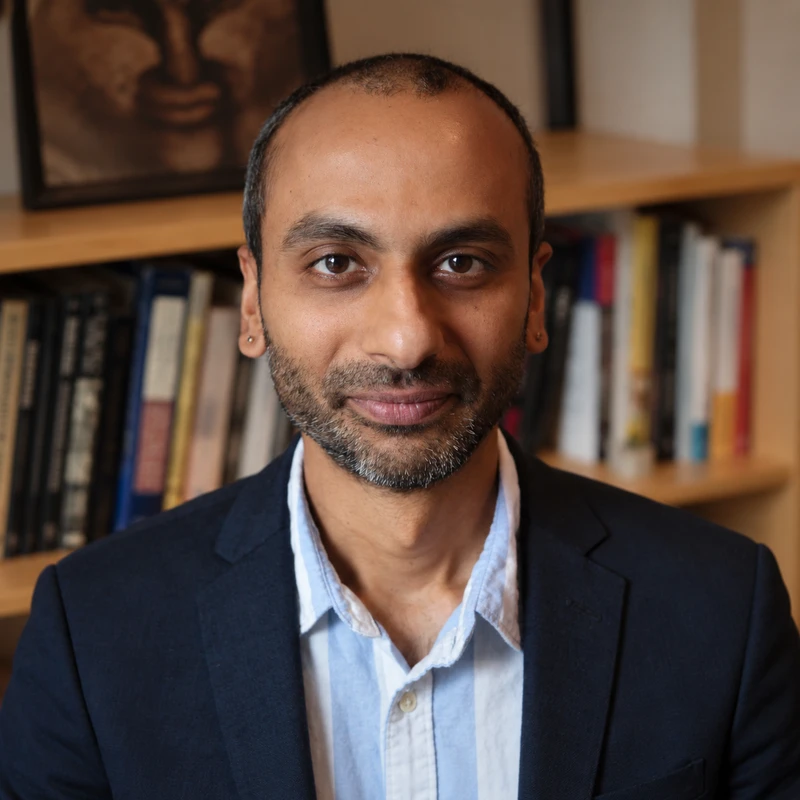
Dr Mayur MudigondaFounder & CEO, Vāyuh
How Vāyuh models hail swaths, tornado tracks and straight-line wind fields at fine scale, and what a million-year event set shows about where SCS risk sits that the historical record misses.
SCS, tornadoes and the reinsurance view
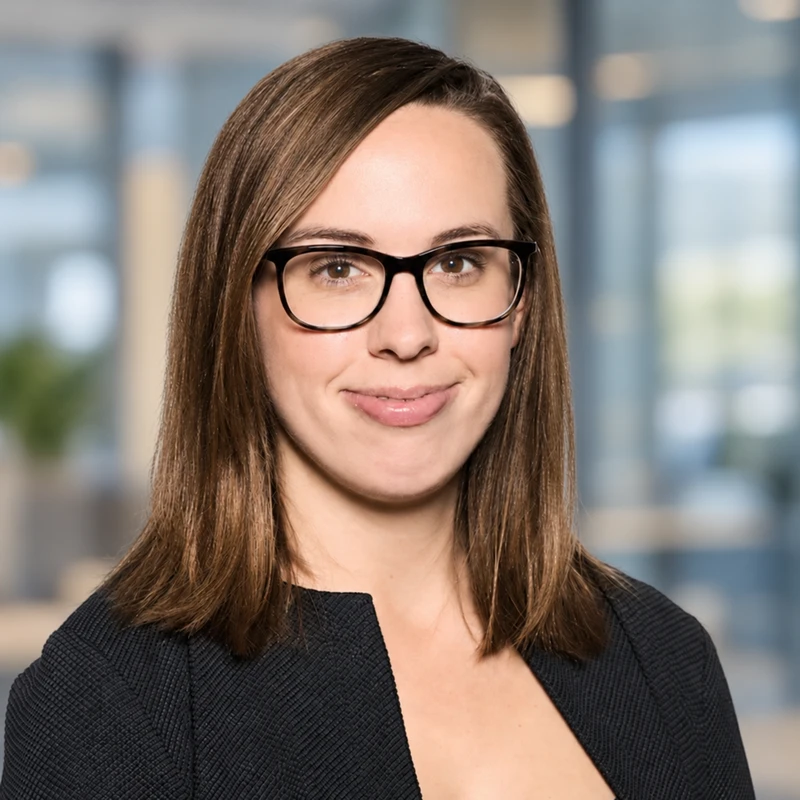
Dr Kelsey MulderHead of Research, Ariel Re
What a reinsurer needs from a tornado model, and why the path and width of a tornado matter as much as how often one forms.
Scaling SCS loss modelling in the open
Ben HayesOasis Loss Modelling Framework
Running a million-event catalogue against millions of locations on open infrastructure, and what that means for running more than one view of risk.
15:18
Talk to each other
Form a group of three or four with the people around you. One question on screen: where does your current SCS view let you down most, and which idea from Session 1 would help? A few groups share at the end, and the speakers respond.
15:40
Break
Coffee next door.
15:55
Session 2: SCS in practice
Where SCS hits the market
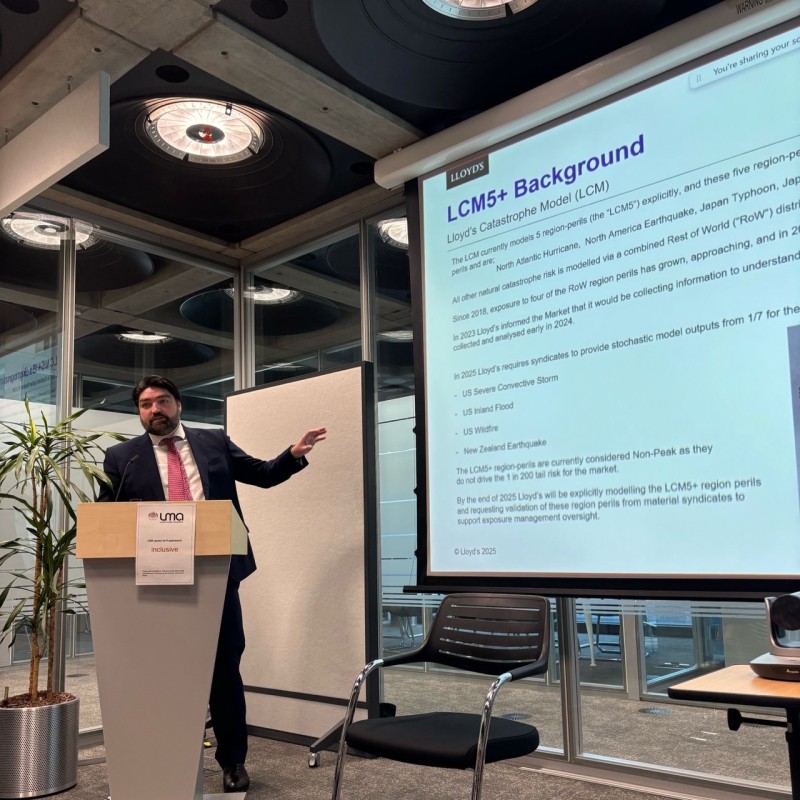
Luke KnowlesHead of Catastrophe Analytics, Lloyd’s
Why convective storm barely registers for Lloyd’s as a whole yet matters for the carriers that write it, how the market is nudging firms to look harder at it, and a first look at hail beyond the US.
A carrier’s view
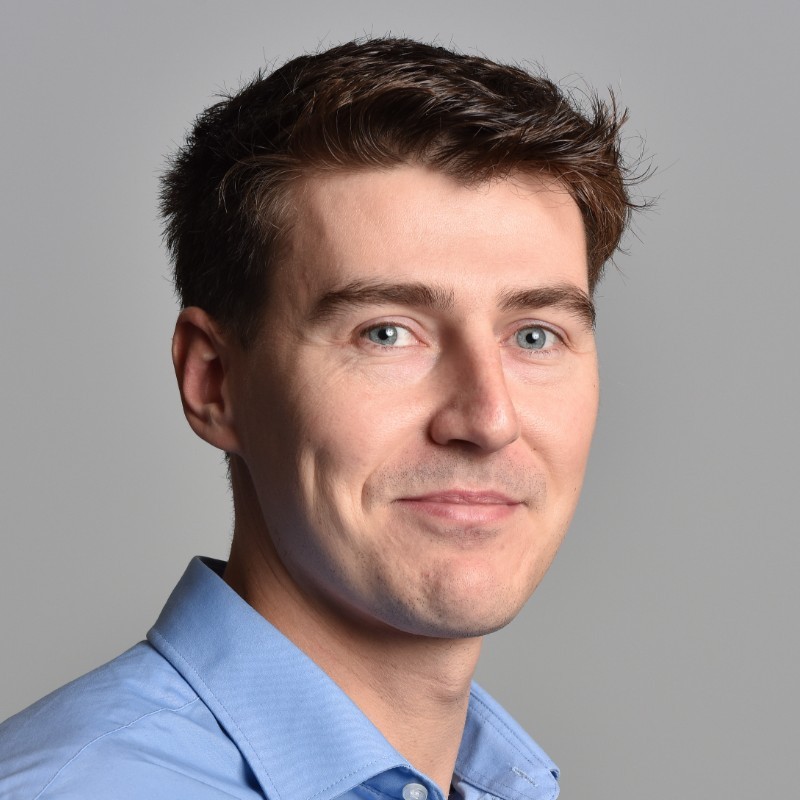
Dr Chris WebberHead of Research, Hiscox
What a carrier needs from the next generation of SCS models, and what has to change for new views to make it into everyday decisions.
Adjusting the view
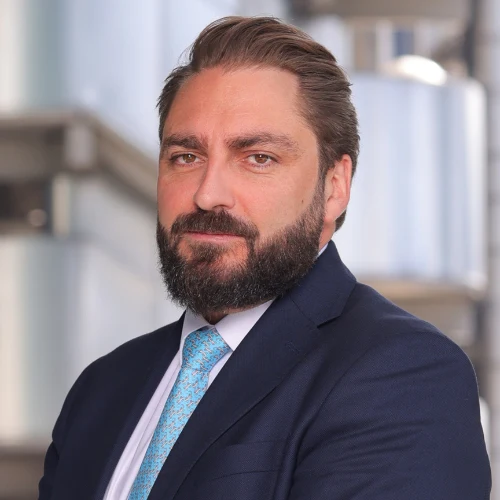
Dr Tom PhilpChief Executive Officer, MaxInfo
Adjusting and validating vendor models is routine for tropical cyclone; for SCS it has barely started. How to bring in and validate a second view alongside the established vendor models, and an invitation to help set good practice.
A campus is not a point on the map
Dr Mayur MudigondaFounder & CEO, Vāyuh
Hyperscale data centres spread billions of dollars across several square kilometres. Simulating tornadoes over 16 US campuses shows how footprint and layout change how often a campus is hit, and what that means for underwriting them.
16:23
Talk to each other
Find a new group of three or four. The question: if today’s models aren’t enough for SCS, what would it take to run a second view before 1/1? Each group posts its biggest blocker to Slido.
16:36
Panel: your questions
Part one takes the top-voted anonymous questions from Slido and from registration. Part two opens the floor. Slido is open all afternoon, so add questions as they come to you.
17:00
What we heard and next steps
The themes from the afternoon, and how to take part: pilots and scoring runs, and the SCS model-adjustment working group.
17:30
Close and social
Light bites and refreshments.
WHAT WE COVER
How are the hardest problemsin SCS being solved?
01 · Events
The science of SCS events
What established models capture and miss, how AI and physics build SCS events, and why tornado paths and widths matter to reinsurers.
02 · Scale
Open infrastructure, more views
Running a million-event catalogue against millions of locations, and what open infrastructure makes possible for testing more than one view of risk.
03 · Uncertainty
Putting a second view to work
What markets and carriers need from new models, how to adjust and validate another view, and what stands in the way before 1/1.
04 · Exposure
A campus is not a point
Tornado simulations over 16 US data-centre campuses show how footprint and layout change hit frequency, with implications for underwriting.
VAYUH AT LLOYD'S
Registration is closed.
Tuesday 17 November 2026 · 14:30–17:30 · Lloyd's, London
Registration and the waiting list are now closed. We look forward to welcoming confirmed attendees at Lloyd’s.
FAQ
Who is this for?
Underwriters, cat modellers, risk and exposure managers, and claims managers working with severe convective storm risk. For practitioners looking for solutions to the challenges they face, and ways to bring those solutions into their workflow.
What is the format?
Lightning talks with interactive discussions between sessions, small groups and a panel taking questions from Slido, registration and the floor. Arrive from 14:15 for coffee; the programme runs 14:30–17:30 GMT, followed by light bites and refreshments.
Will discussions be on the record?
No. The afternoon runs under the Chatham House Rule: you're free to use what you hear, but not to identify who said it or the organisation they work for. That keeps the discussion candid.
How will this relate to my work?
The afternoon is for practitioners grappling with SCS risk. Explore working approaches to familiar problems and discuss how to integrate them into your existing models, portfolio decisions and workflows.
Can I still attend?
Registration and the waiting list are now closed. We’re no longer accepting new signups for the event on 17 November 2026.
Where exactly is it?
We’re meeting in The Hopper, Lloyd’s Lab, at Lloyd’s in London.